The Art of Aquascaping
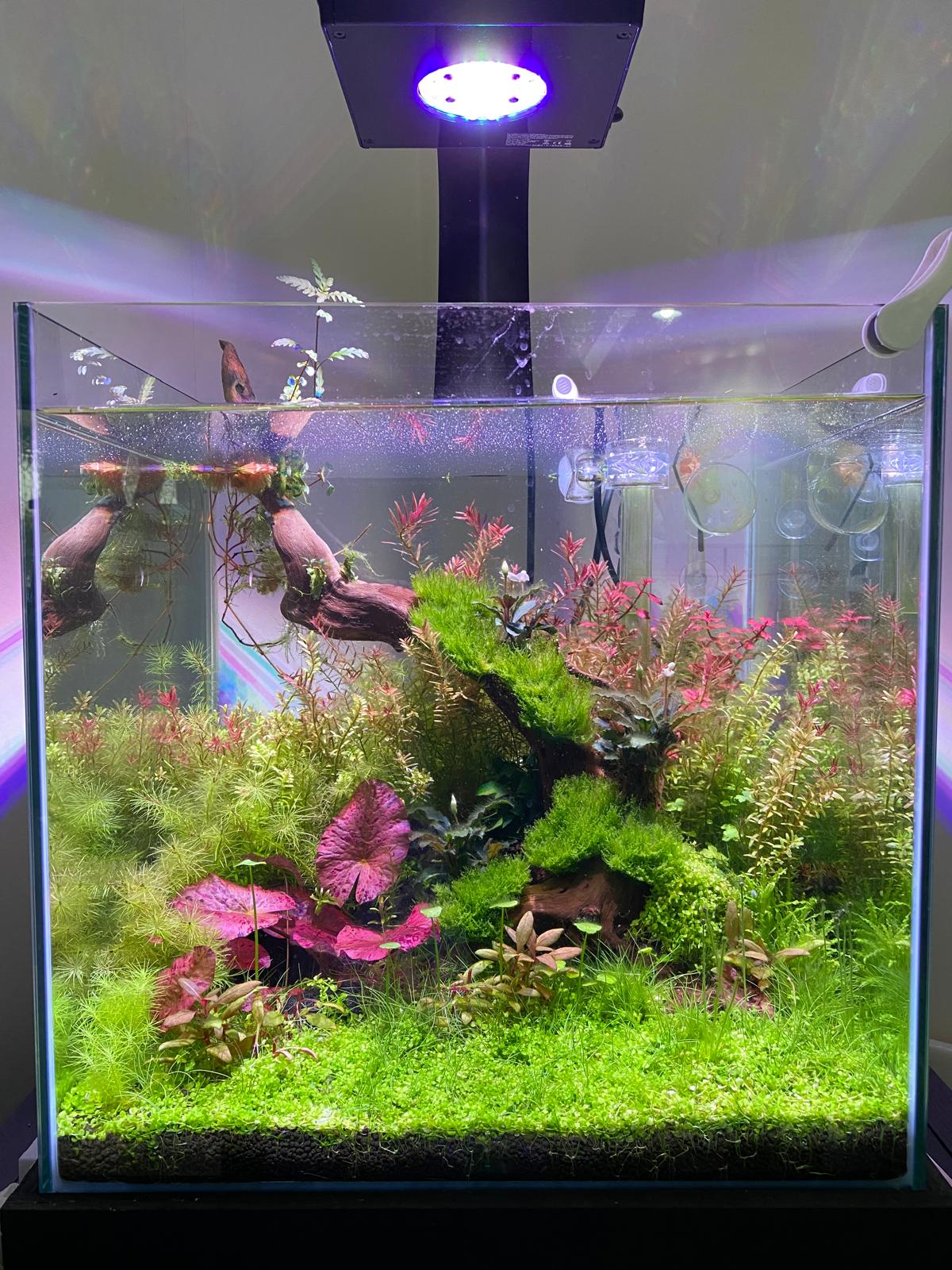
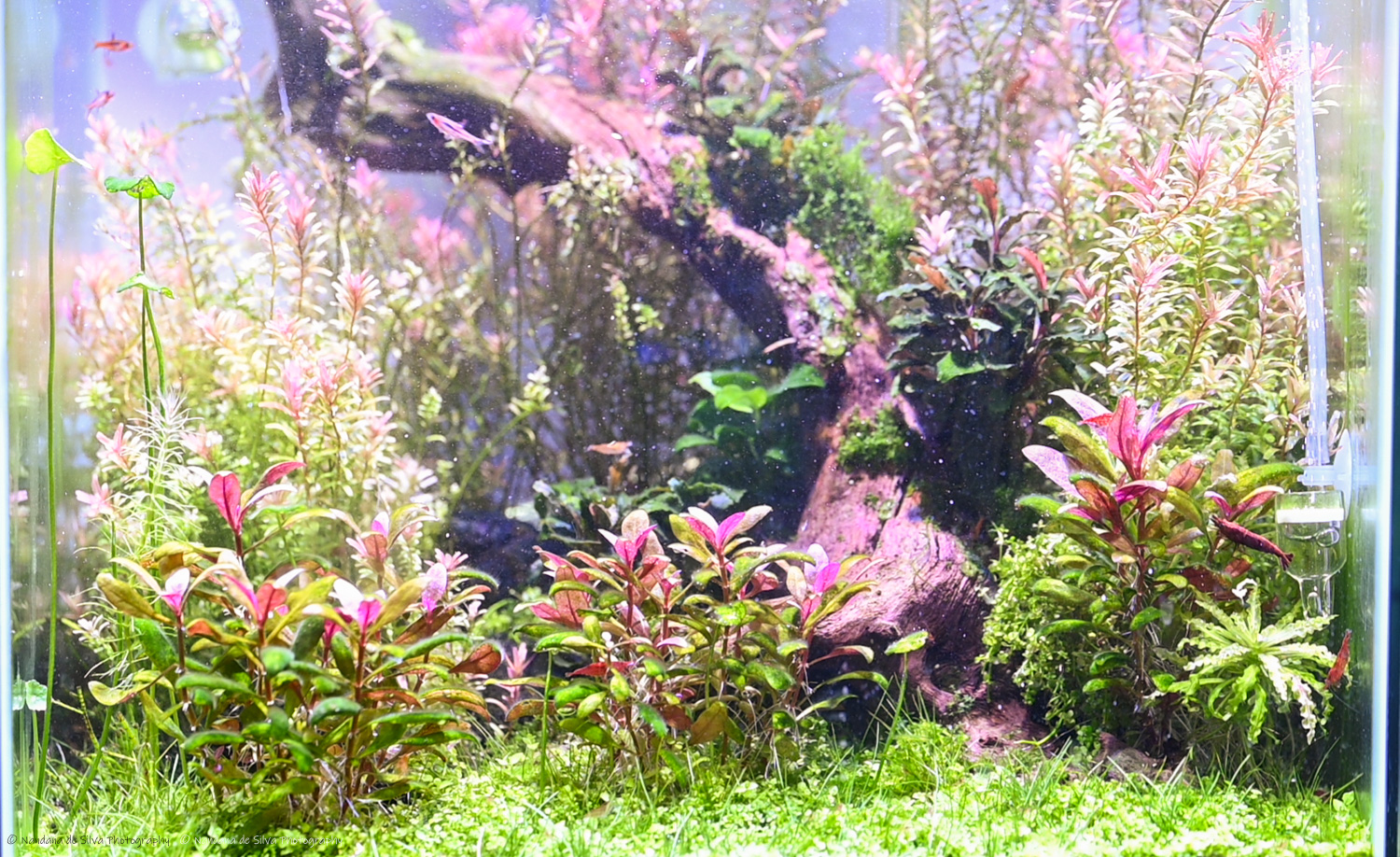
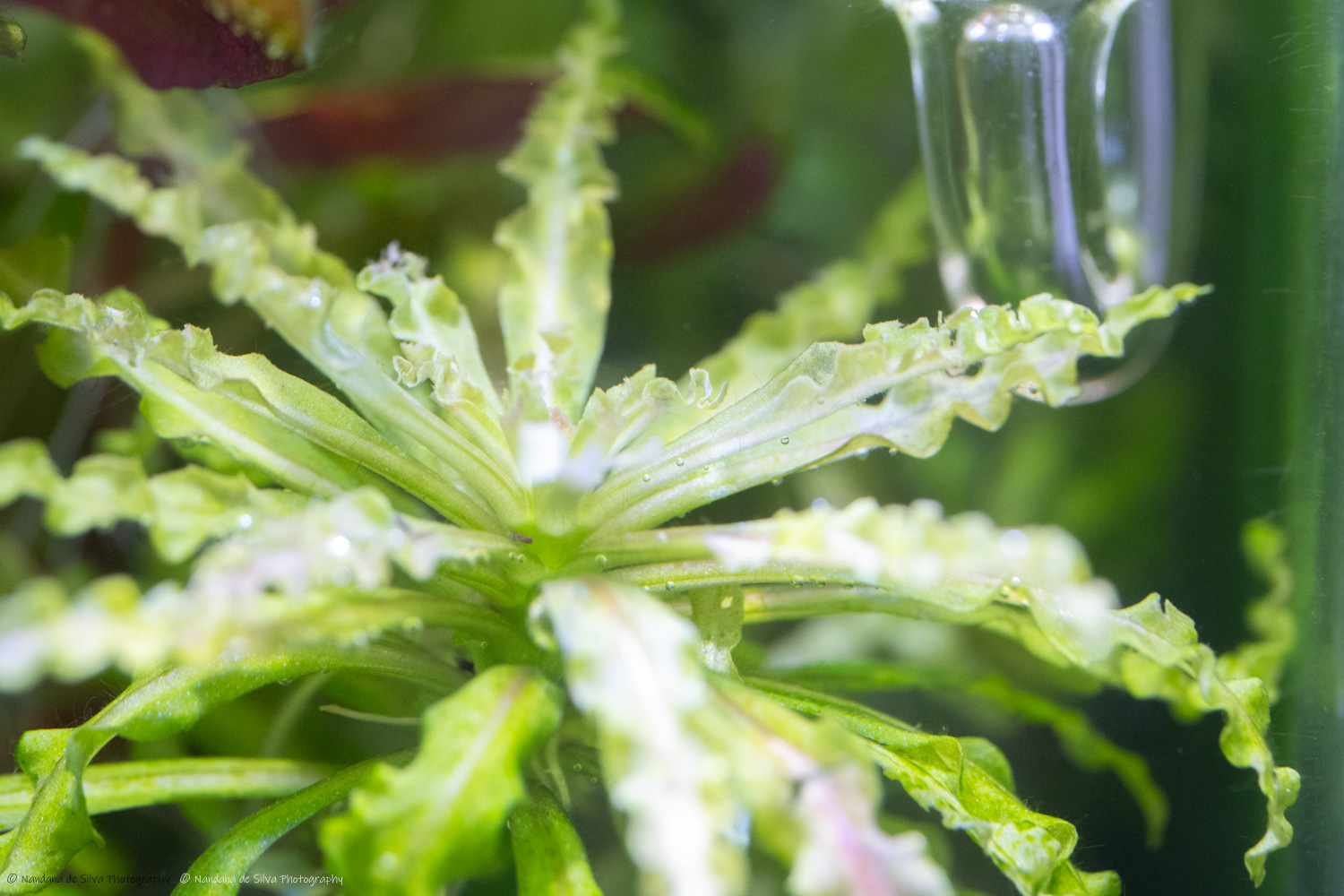
Aquascaping is more than just arranging plants in a tank — it's the art of creating underwater landscapes that mimic natural environments. Drawing inspiration from mountain ranges, forests, valleys, and riverbeds, each aquascape tells a story through composition, balance, and careful plant selection.
The challenge lies in understanding not just aesthetics, but also biology — choosing plants that complement each other in terms of growth rates, light requirements, and nutrient needs. A well-balanced aquascape becomes a self-sustaining ecosystem where plants, substrate, and hardscape work in harmony.
From the precise placement of every stone and branch to the delicate trimming and maintenance over months, aquascaping requires patience, vision, and a deep appreciation for the natural world.
Design Principles
Great aquascapes follow fundamental design principles borrowed from traditional art and Japanese garden design. The rule of thirds, focal points, depth perception through layering, and the use of negative space all play crucial roles in creating visually compelling compositions.
Hardscape materials — driftwood (bogwood, manzanita, spiderwood) and stones (seiryu, dragon stone, lava rock) — form the structural foundation. These are positioned first to create the "bones" of the layout, establishing flow, perspective, and visual weight. Only then do plants come into the picture, softening the hardscape and adding life to the design.
Plant Selection & Growth
Foreground Plants
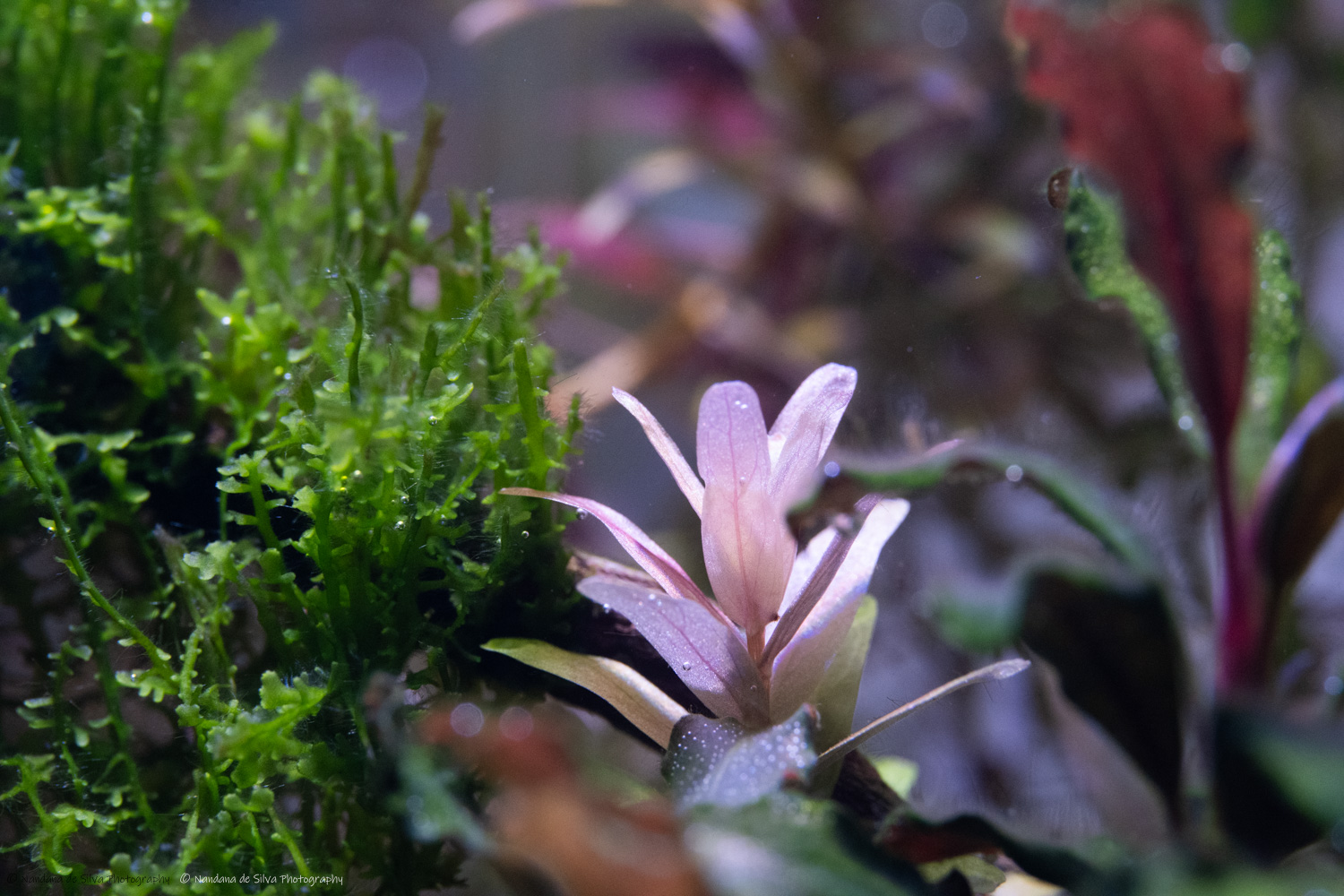
Low-growing carpeting plants like Monte Carlo, dwarf hairgrass, and glossostigma create lush green "lawns" that establish depth and scale.
Midground Plants
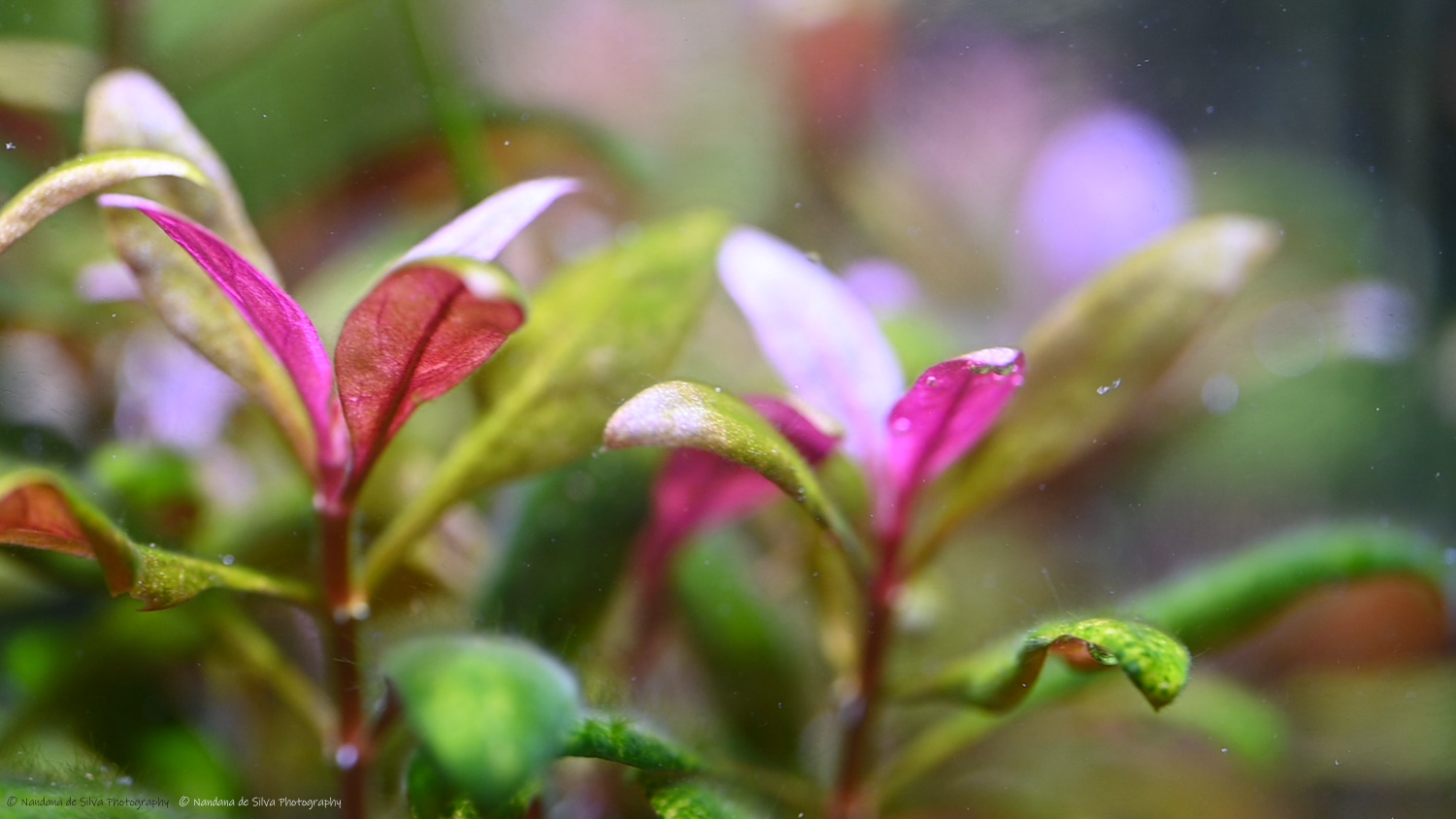
Medium-height plants such as cryptocoryne, anubias, and various stem plants bridge the transition between foreground and background.
Background Plants
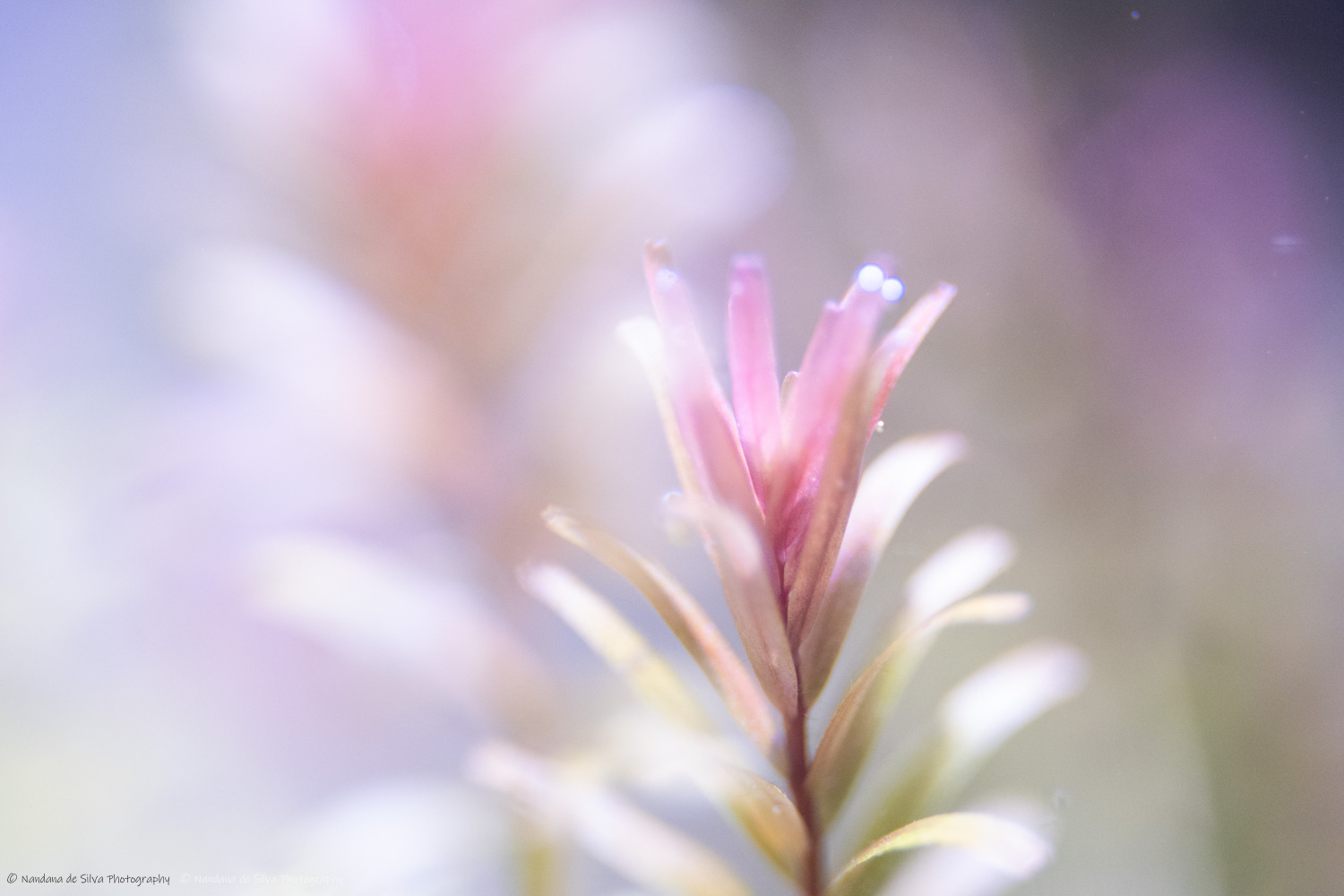
Tall plants like vallisneria, rotala, ludwigia, and cabomba provide vertical interest and help obscure equipment while adding depth.
Growth Management
Regular trimming, pruning, and replanting maintain the intended design as plants grow, ensuring the composition remains balanced over time.
Water Chemistry & CO2
CO2 Injection
Pressurised CO2 systems provide the carbon plants need for photosynthesis, dramatically improving growth rates and plant health.
Fertilisation
Macro and micronutrients — nitrogen, phosphorus, potassium, iron, and trace elements — are dosed regularly to prevent deficiencies.
Lighting Schedule
High-quality LED lighting on timers provides the right spectrum and intensity for photosynthesis, typically 6-8 hours per day to prevent algae.
Parameter Monitoring
pH, GH, KH, ammonia, nitrite, and nitrate levels are tested regularly to ensure the tank remains stable and healthy for both plants and livestock.
Maintenance Routine
A thriving aquascape requires consistent care. Weekly tasks include trimming overgrown plants, removing dead leaves, cleaning the glass, and performing partial water changes (typically 30-50% weekly). Substrate vacuuming is done carefully to avoid disturbing plant roots.
Equipment maintenance — cleaning filter media, checking CO2 diffusers, replacing worn tubing, and verifying that lights, heaters, and dosing pumps are functioning correctly — ensures the system runs smoothly over the long term.
The most rewarding part of aquascaping is watching a layout mature over months, as plants fill in, colours intensify, and the underwater landscape comes alive with movement and texture.
Aquascape Gallery