A Lockdown Refuge
Built during the COVID-19 lockdowns, this garden pond project turned idle time into something productive and meditative. What started as a way to occupy restless days became a lasting addition to the garden — a space for quiet reflection, the gentle sound of flowing water, and the slow evolution of a miniature aquatic ecosystem.
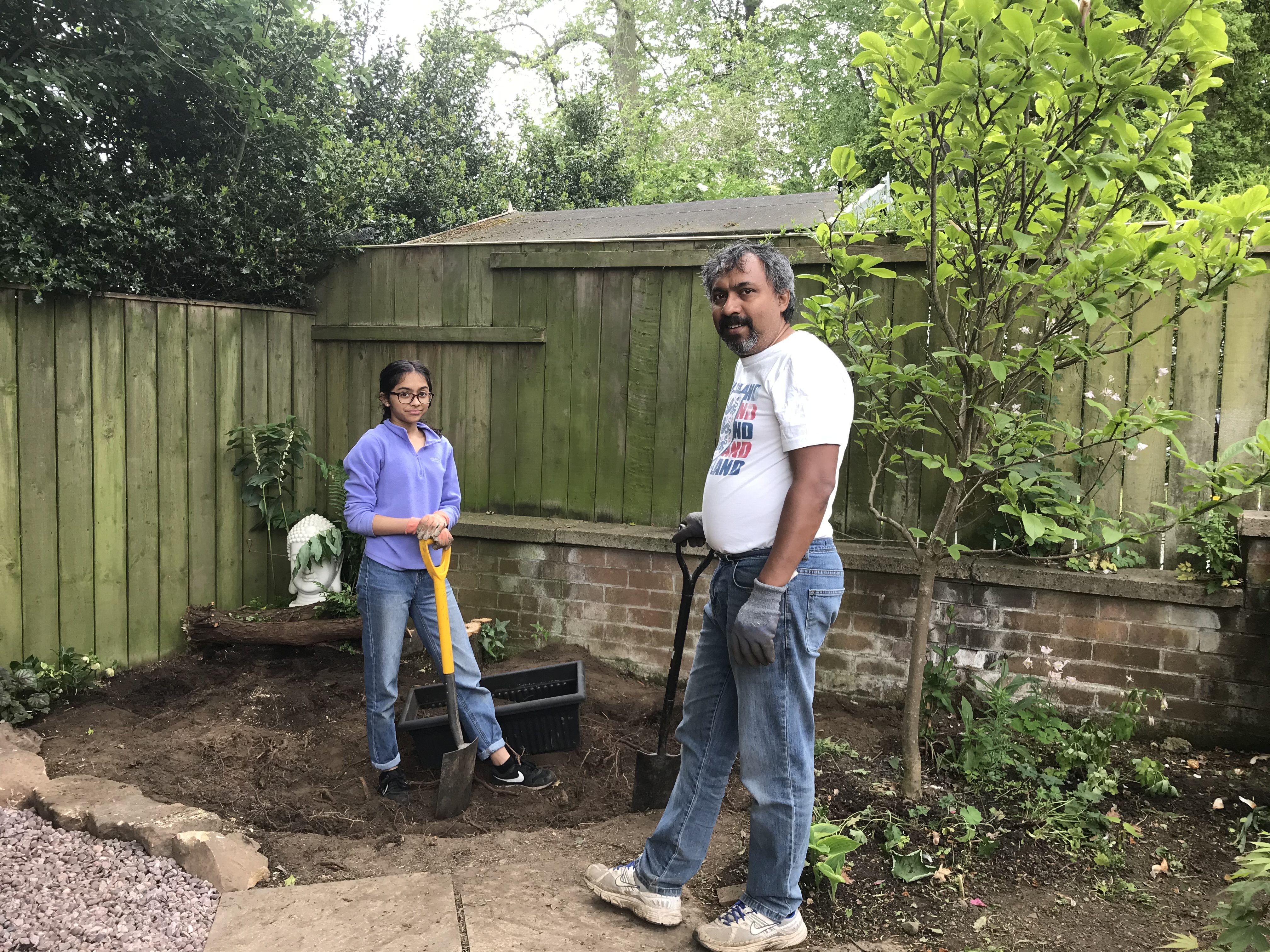
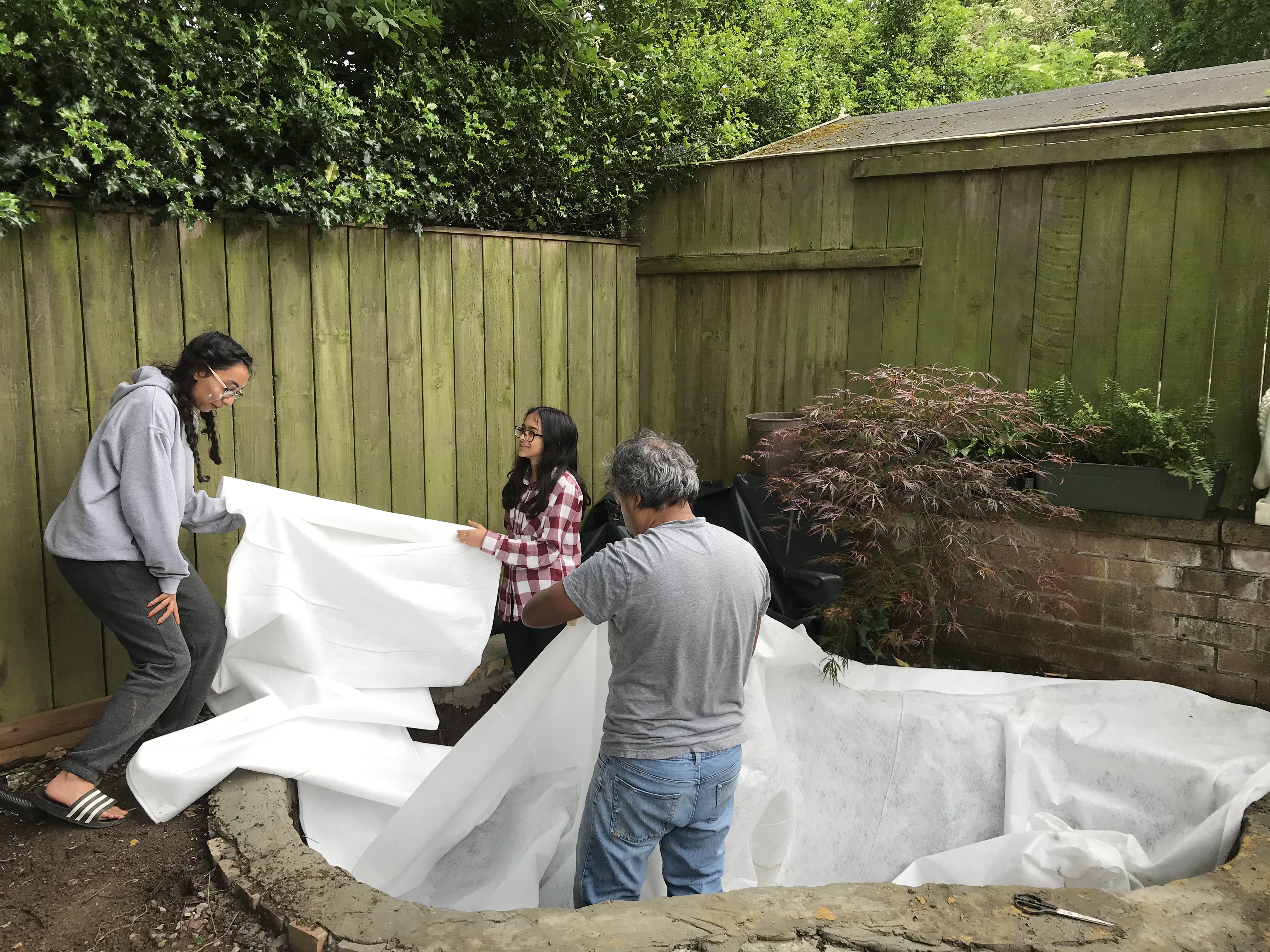
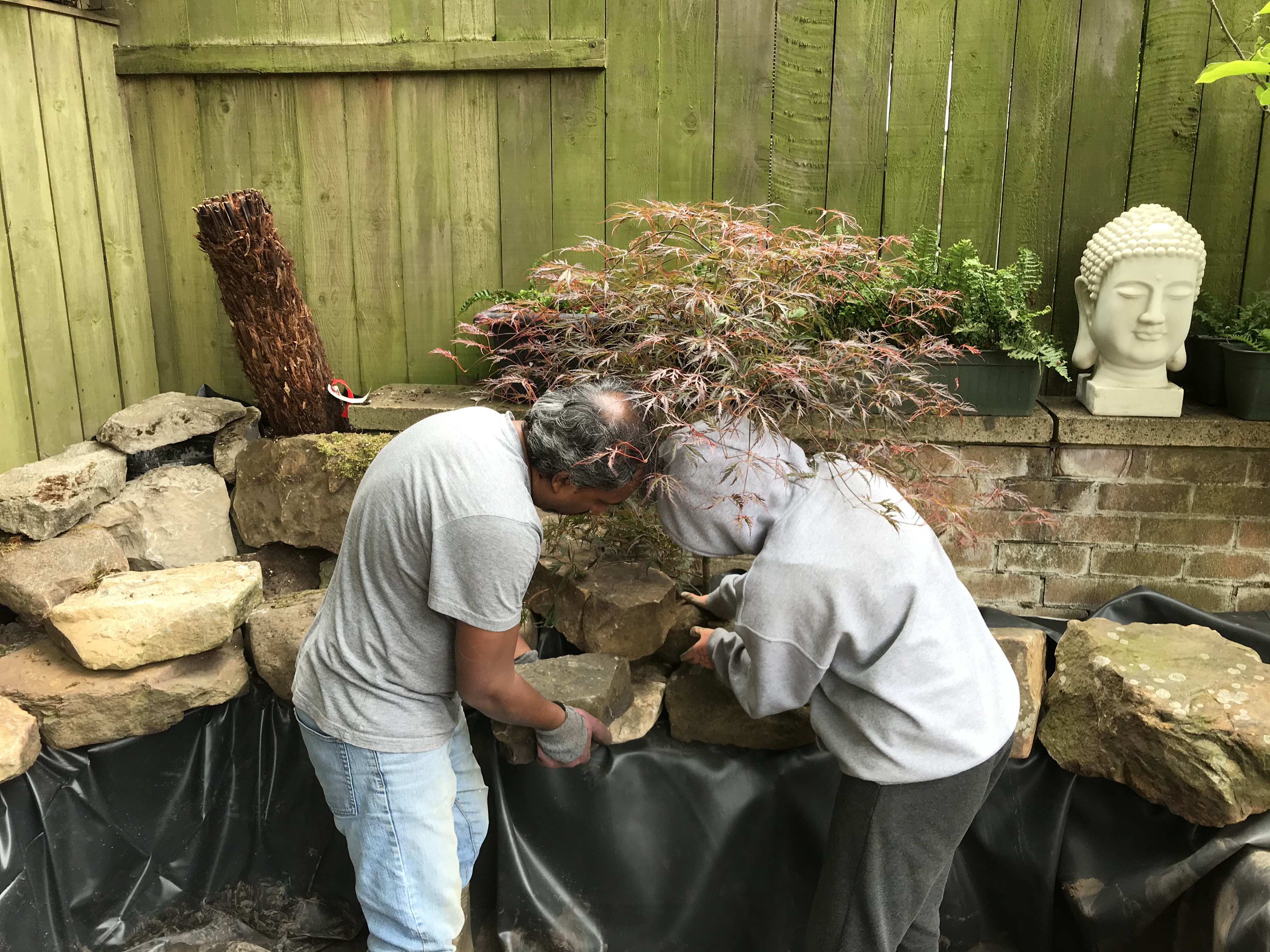
From the initial excavation to the final planting of marginal plants and ferns, the pond was built entirely by hand with help from family. It turned out to be more than just a water feature — it became a great relaxing place, somewhere to sit with morning coffee, watch dragonflies, and observe the changing seasons reflected on the water's surface.
Design & Construction
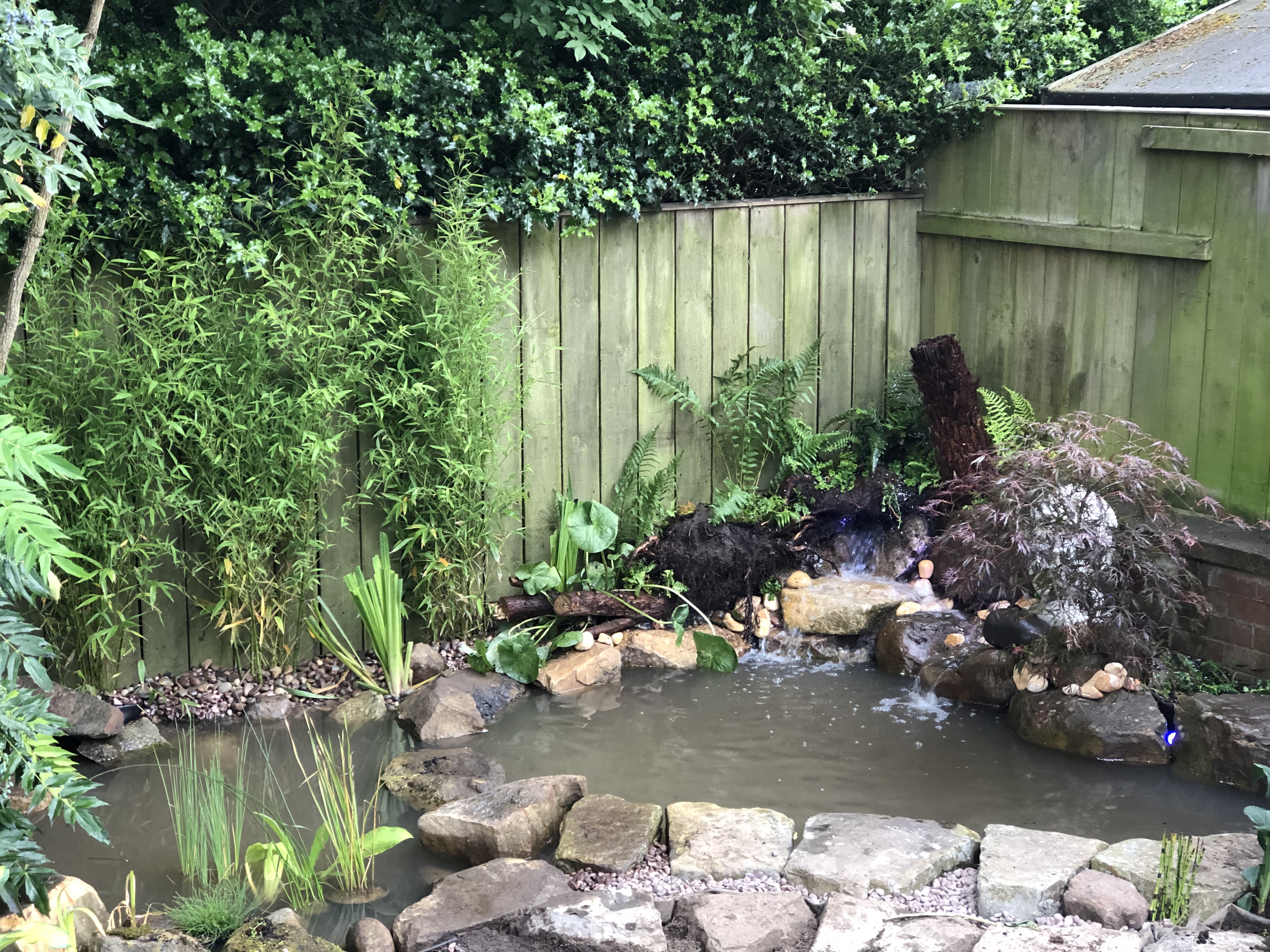
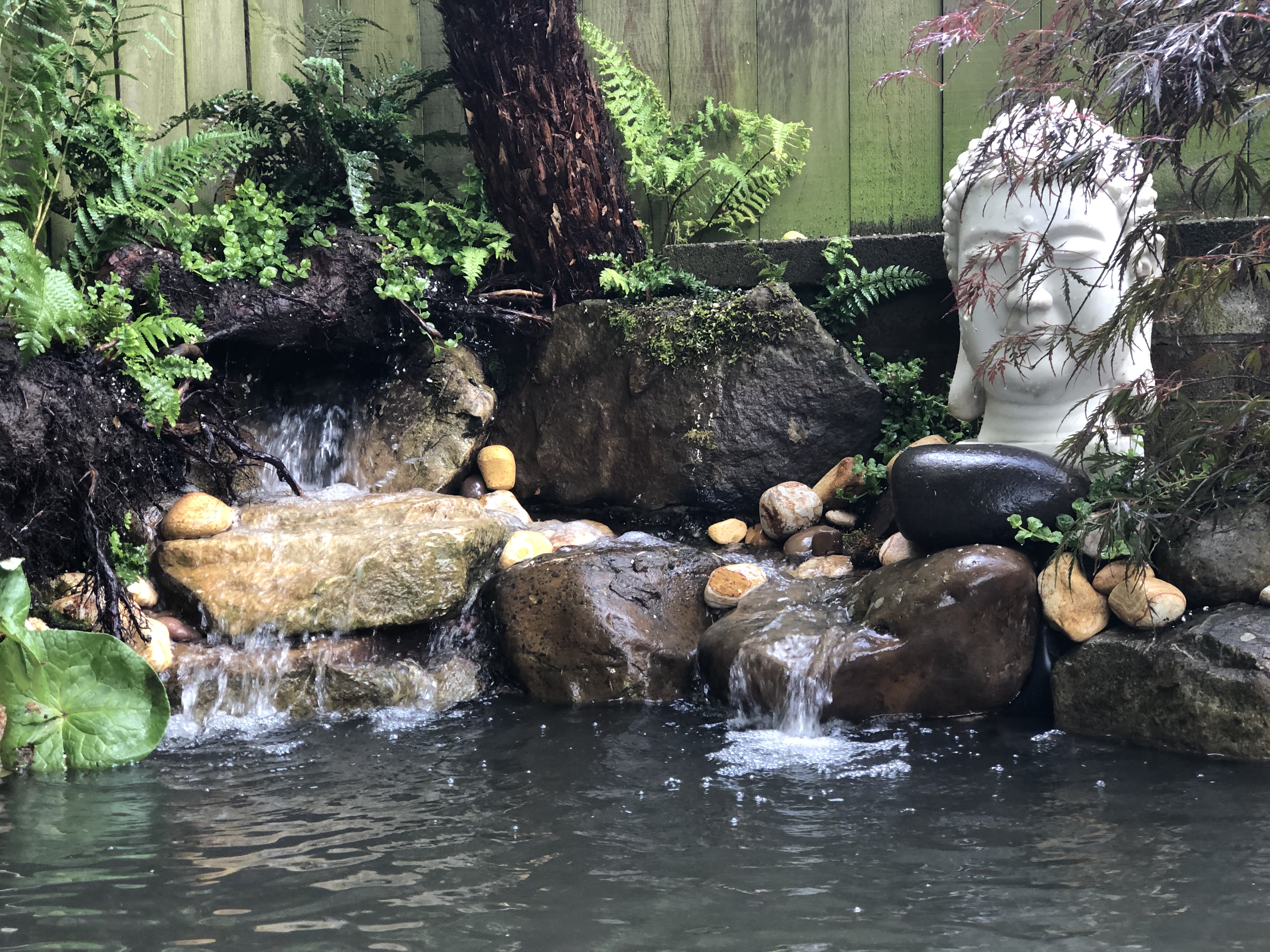
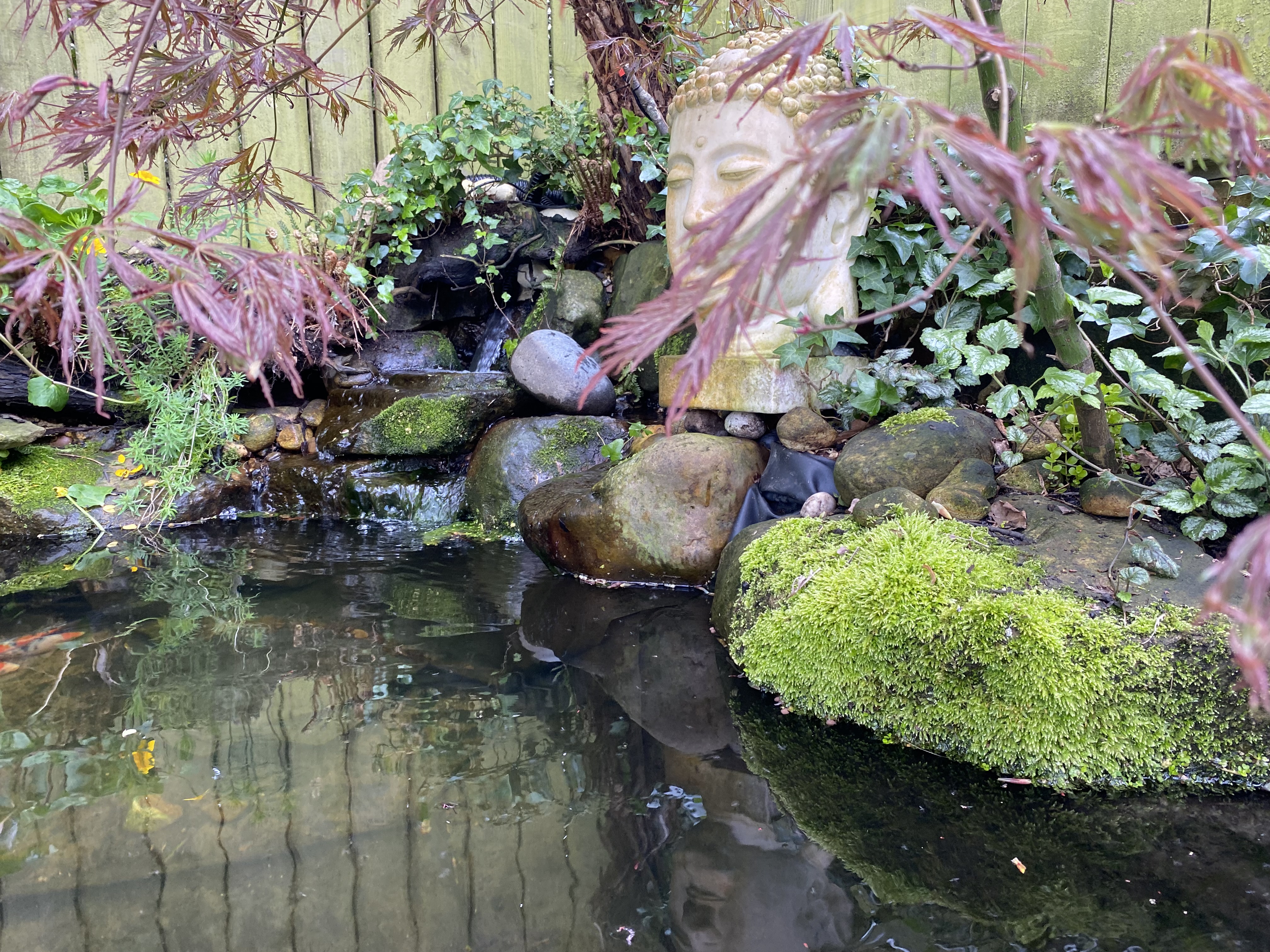
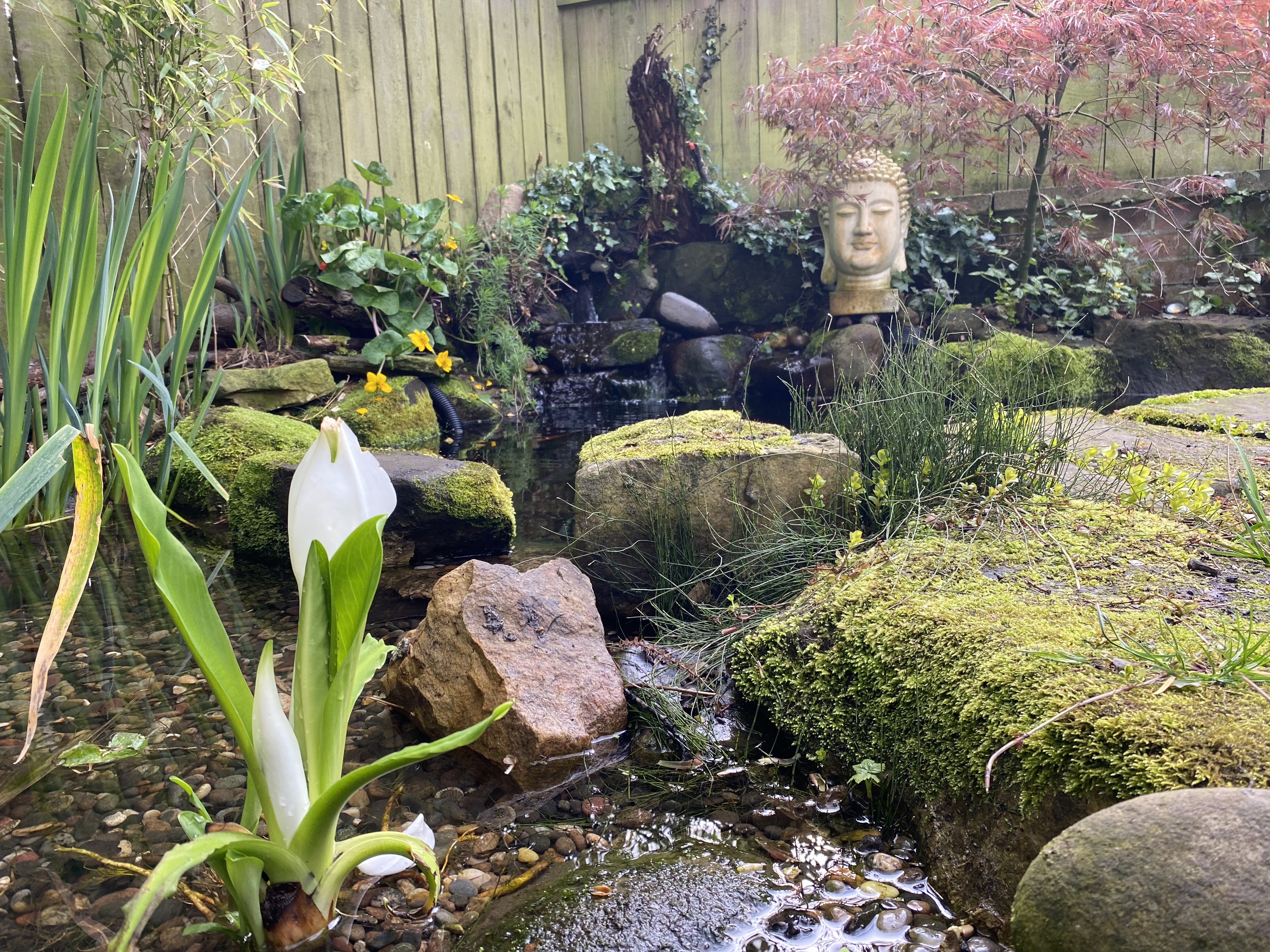
The pond was designed with natural aesthetics in mind — organic curves, a stone waterfall feature, and layered rock edges that soften the transition between water and garden. The excavation followed the contour of the corner, creating depth variations that support different plant zones: shallow margins for irises and rushes, deeper sections for submerged oxygenators, and open water for reflections.
A heavy-duty butyl liner provides the watertight base, with protective underlay preventing punctures from stones or roots. Natural Yorkshire stone was carefully positioned to create the waterfall cascade and pond edging, balancing visual weight and ensuring stable footing around the perimeter.
The project required problem-solving and adaptation — managing water levels, ensuring pump reliability, preventing algae overgrowth, and integrating the pond naturally into the surrounding planting. Each challenge was an opportunity to learn more about water gardening and ecosystem balance.
Filtration & Water Quality
Recirculating Pump
Submersible pump draws water from the pond and pushes it up through the waterfall, maintaining circulation and oxygenation.
Biological Filtration
Beneficial bacteria colonize filter media and stone surfaces, breaking down organic waste and maintaining water clarity.
Plant Filtration
Marginal and oxygenating plants absorb excess nutrients, outcompeting algae and keeping the water balanced naturally.
Algae Control
Strategic shading from overhanging plants, regular maintenance, and balanced nutrient levels prevent green water and blanket weed.
Planting & Wildlife
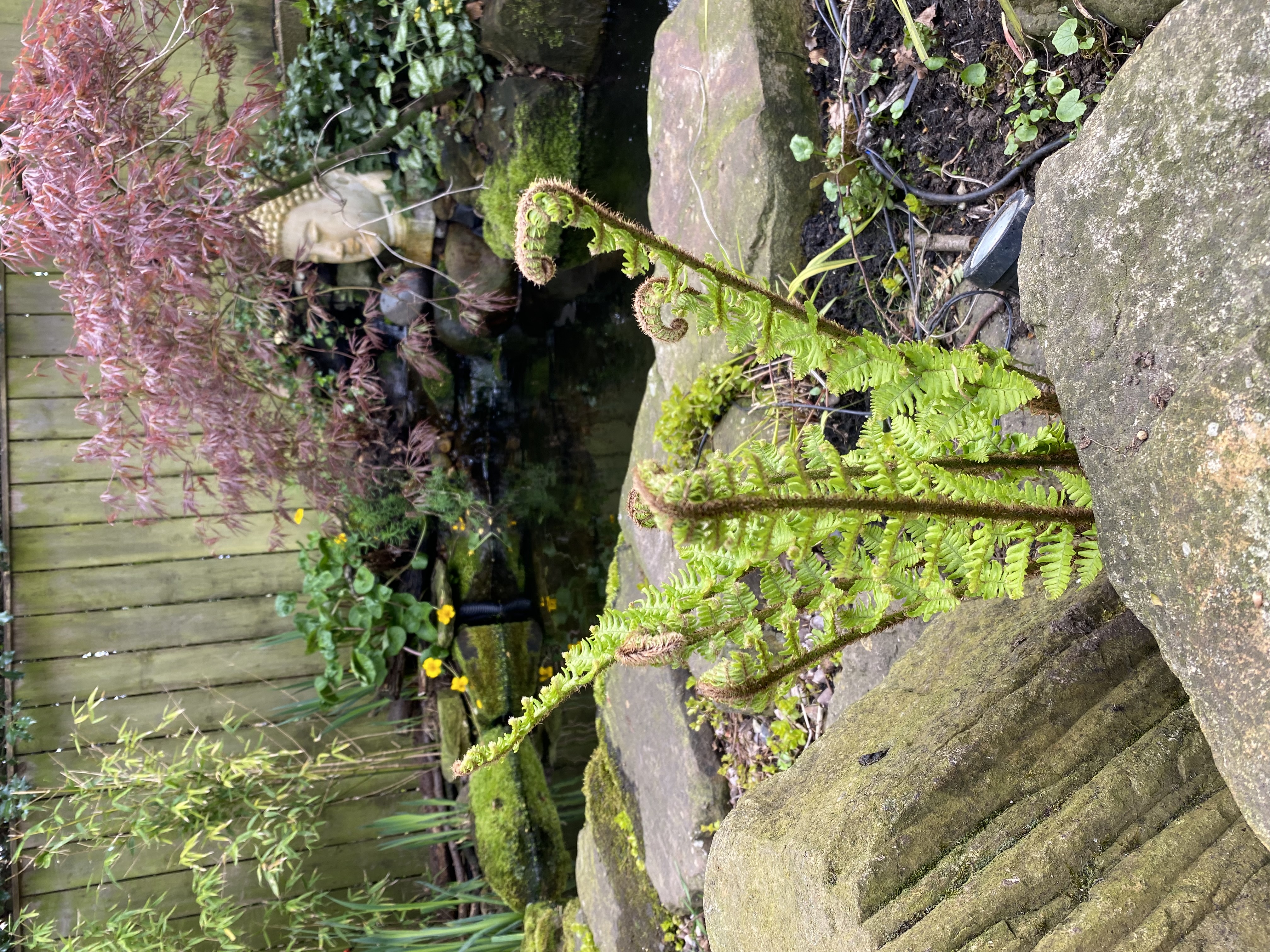
The pond is edged with moisture-loving plants — ferns, hostas, irises, and creeping ground cover that soften the stone edges and provide natural habitat. Moss grows on the rocks, adding texture and age to the design. Marginal plants like rushes and water lilies provide cover for visiting wildlife.
Over time, the pond has attracted dragonflies, damselflies, and visiting birds. Frogs and newts have taken up residence, and the still water provides a drinking source for garden wildlife. The sound of the waterfall masks traffic noise and adds a layer of calm to the entire garden.
Ongoing Maintenance
Like any water feature, the pond requires seasonal care. Spring involves clearing winter debris, checking pump function, and dividing overgrown marginals. Summer means topping up water levels during dry spells and removing excess algae. Autumn brings leaf netting to prevent organic buildup. Winter is quieter — the pump runs less frequently, and the pond enters a dormant phase.
Despite the upkeep, the pond remains a low-effort, high-reward feature. A few minutes of weekly attention keeps everything balanced, and the payoff — a constantly changing, living water feature — far outweighs the work involved.
Build Gallery