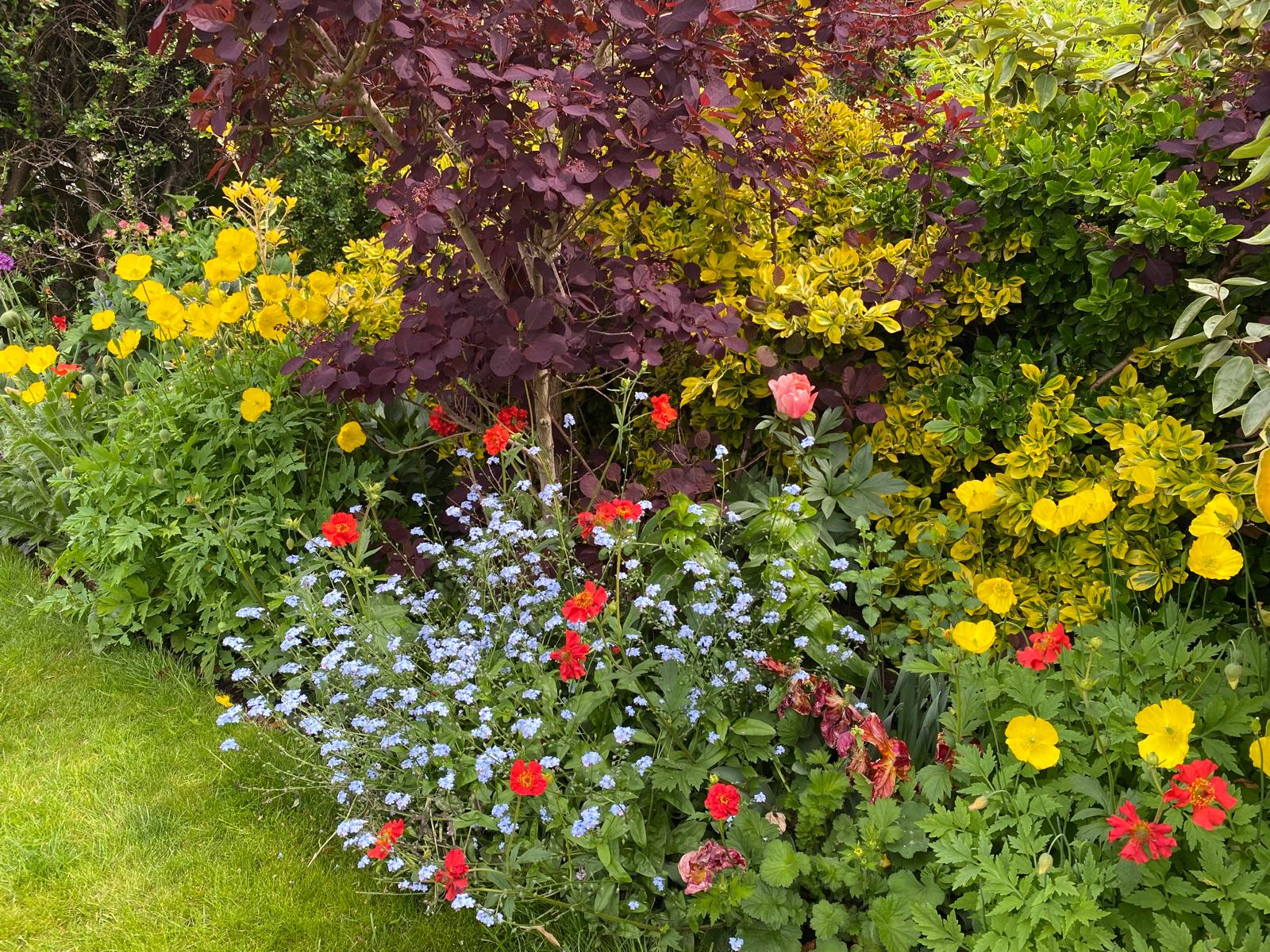
The Garden as a Living System
Gardening is both art and science — a pursuit that demands creativity in design and rigour in execution. A well-planned garden becomes a self-sustaining ecosystem where plants, soil, wildlife, and water work together in harmony. The challenge is understanding how each element interacts and evolves through the seasons.
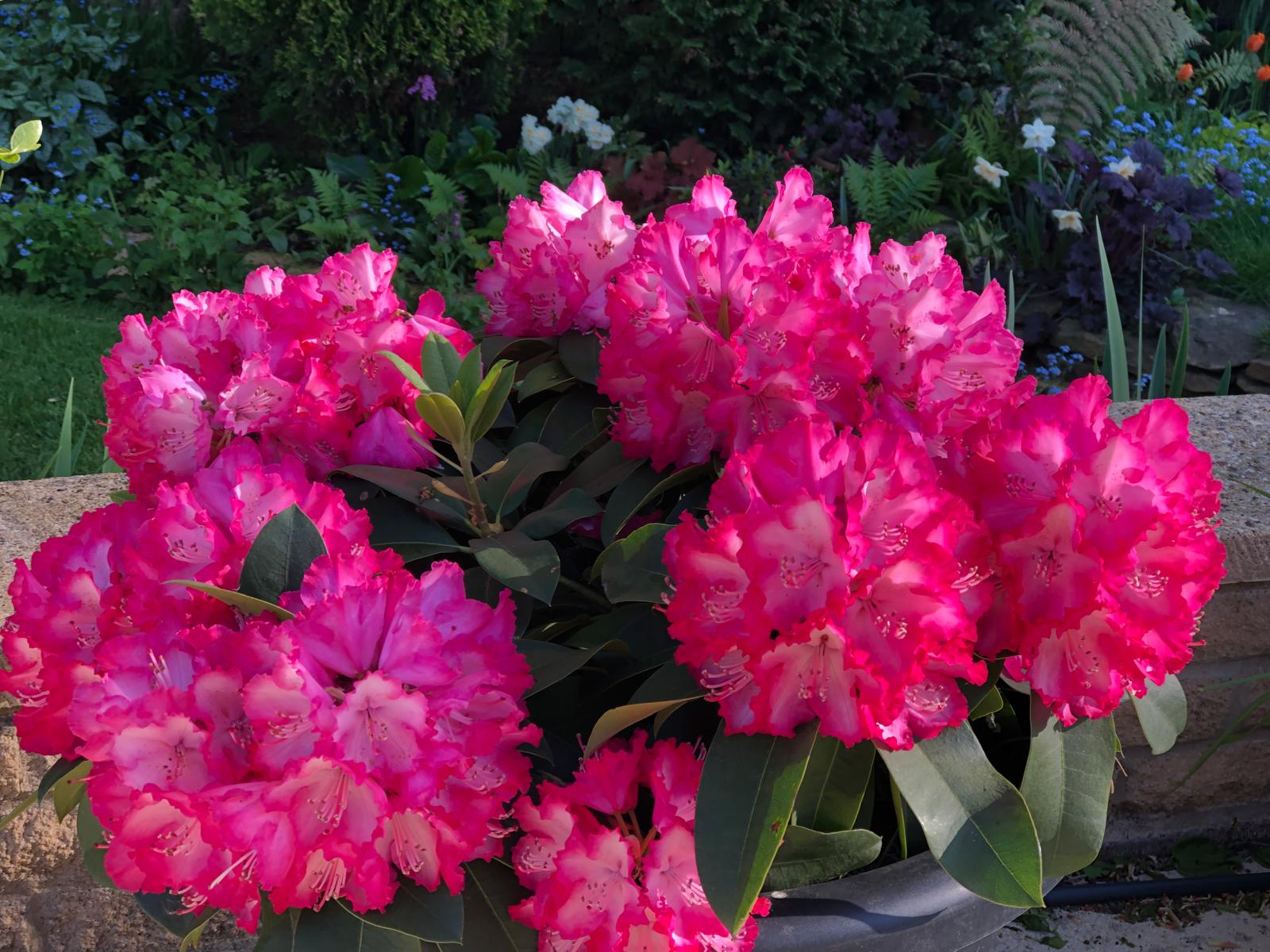
From the vibrant spring flush of rhododendrons and magnolias to the structural winter framework of evergreens and ornamental grasses, every season brings its own rewards. Planning for year-round interest means thinking ahead — layering bulbs beneath perennials, positioning deciduous trees for autumn colour, and ensuring pathways and seating areas remain functional through rain and frost.
What starts as bare soil and saplings gradually matures into a living landscape, shaped by deliberate choices in plant selection, layout, and ongoing care. The garden is never truly finished — it's a continuous experiment, adapting and improving over time.
Design Principles & Planting Schemes
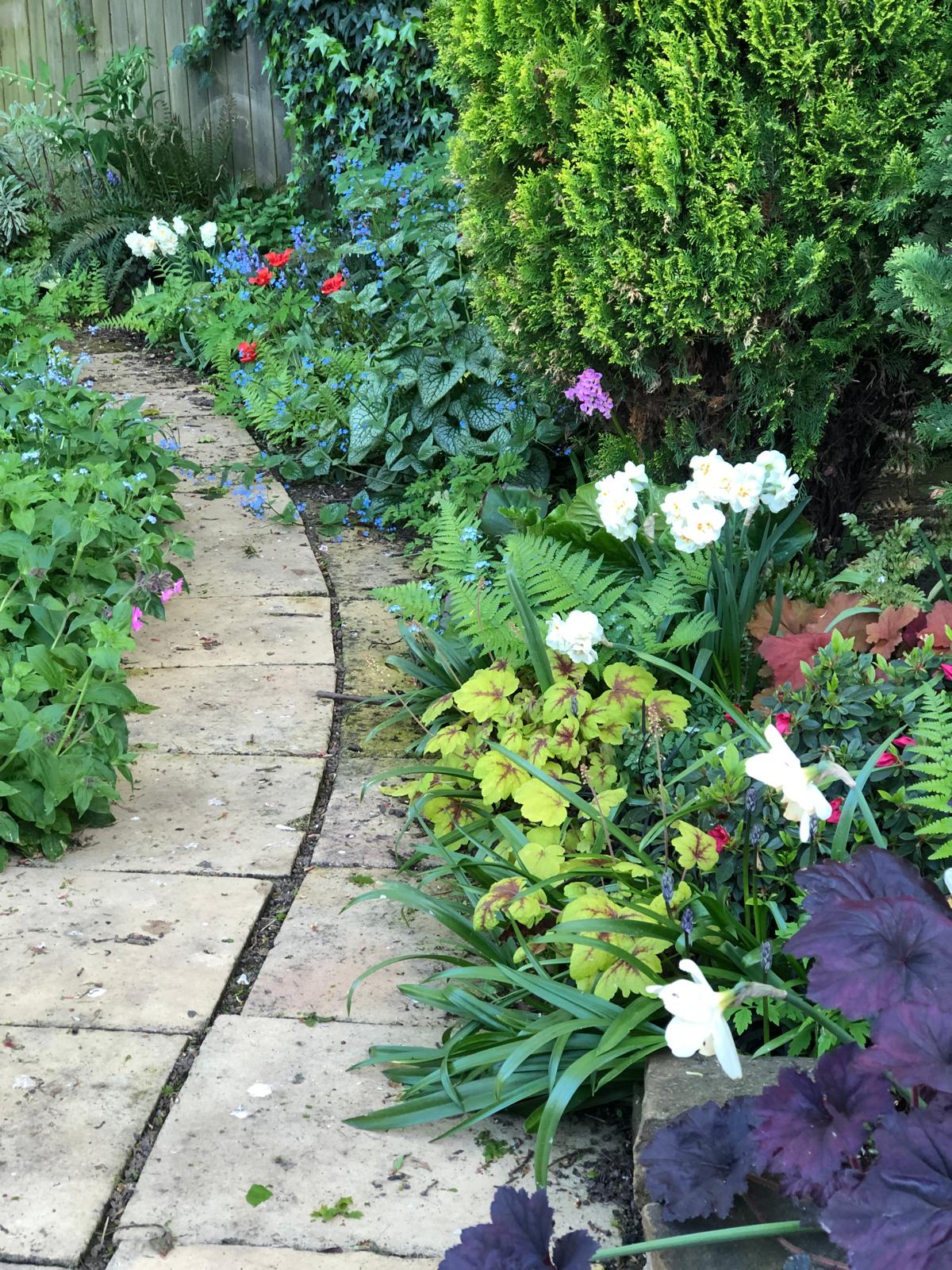
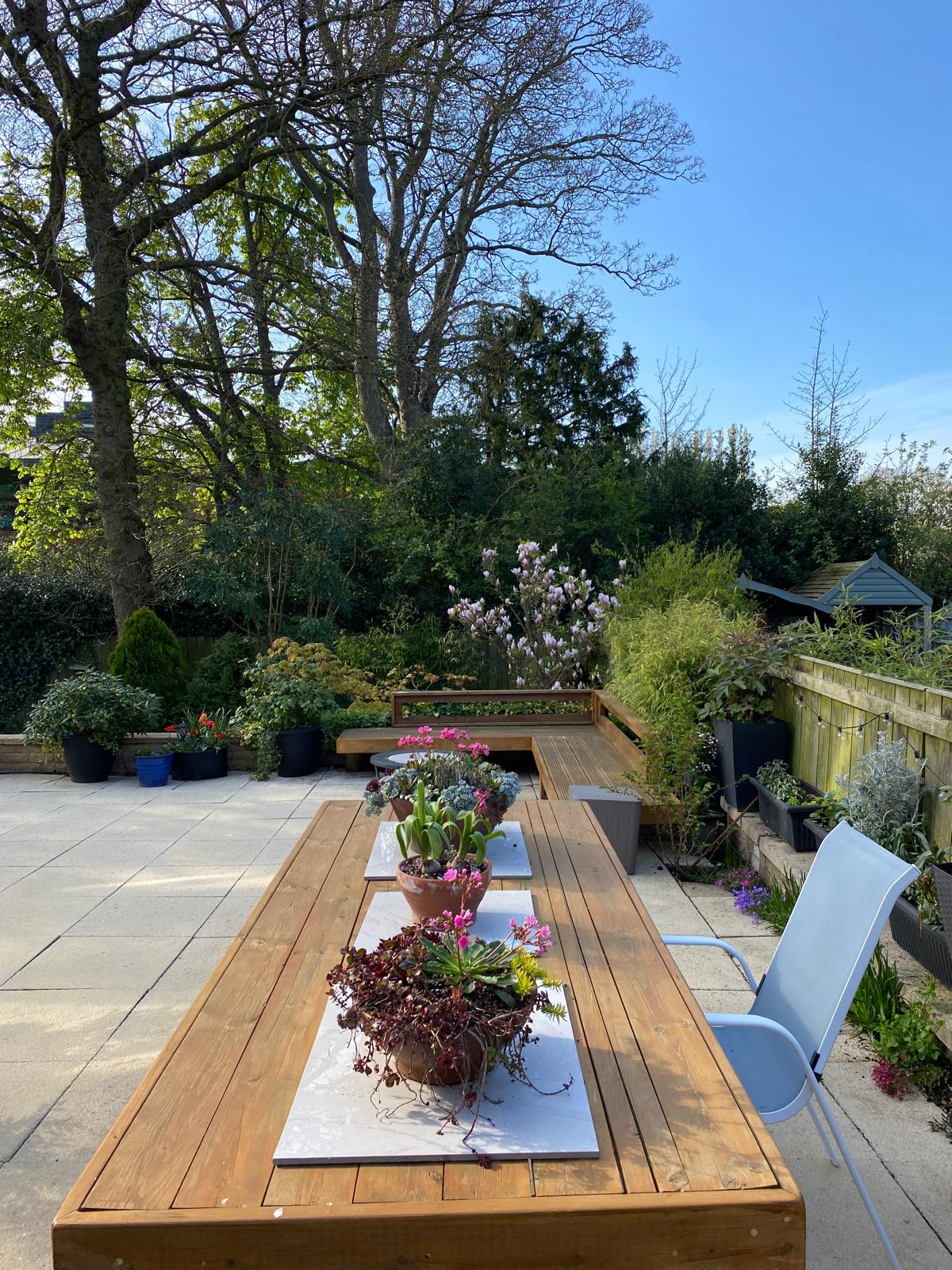
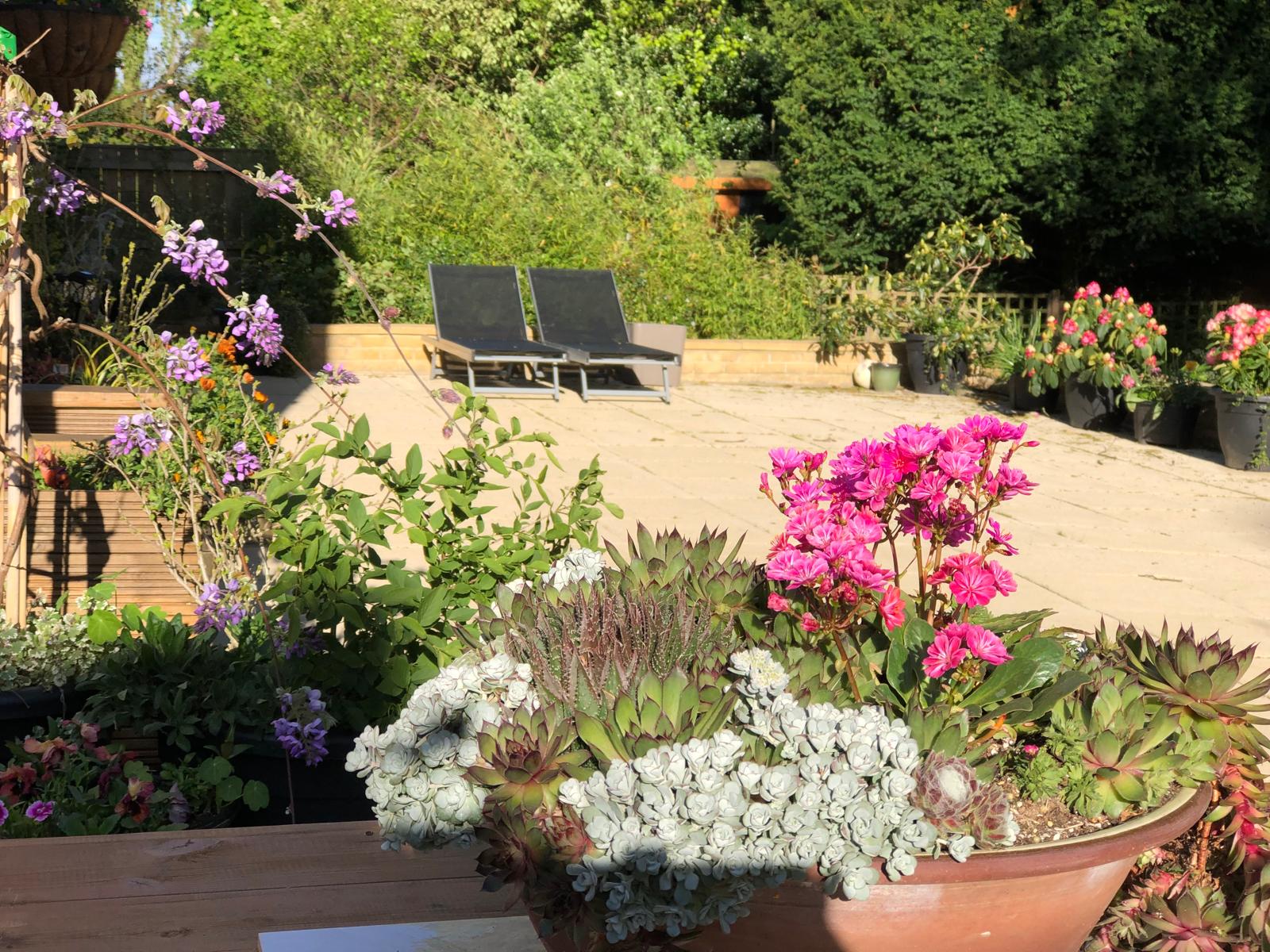
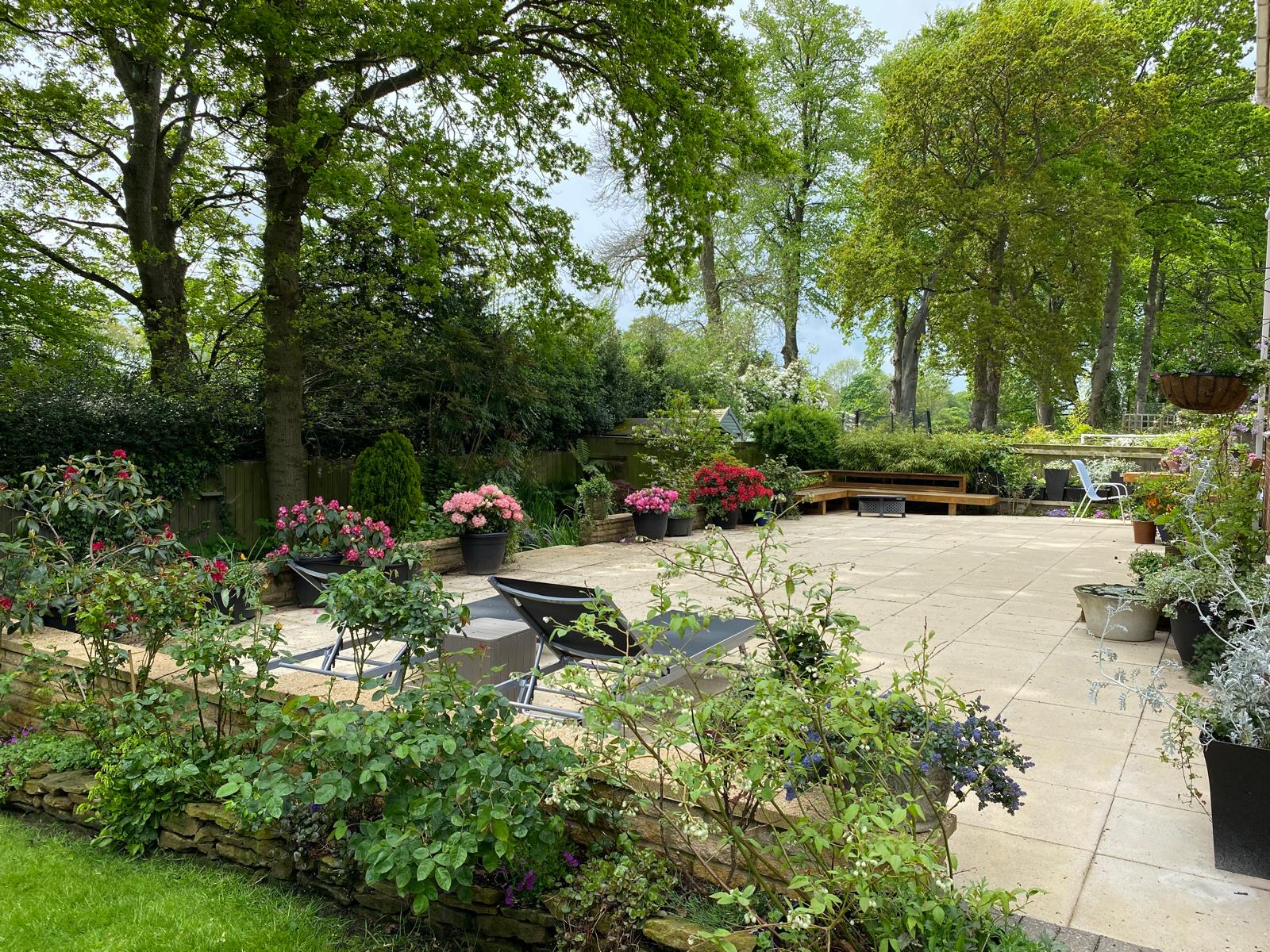
Successful garden design balances structure with spontaneity. Hard landscaping — patios, pathways, raised beds, water features — provides the bones of the garden, defining spaces and guiding movement. These elements establish the layout and remain consistent through the seasons.
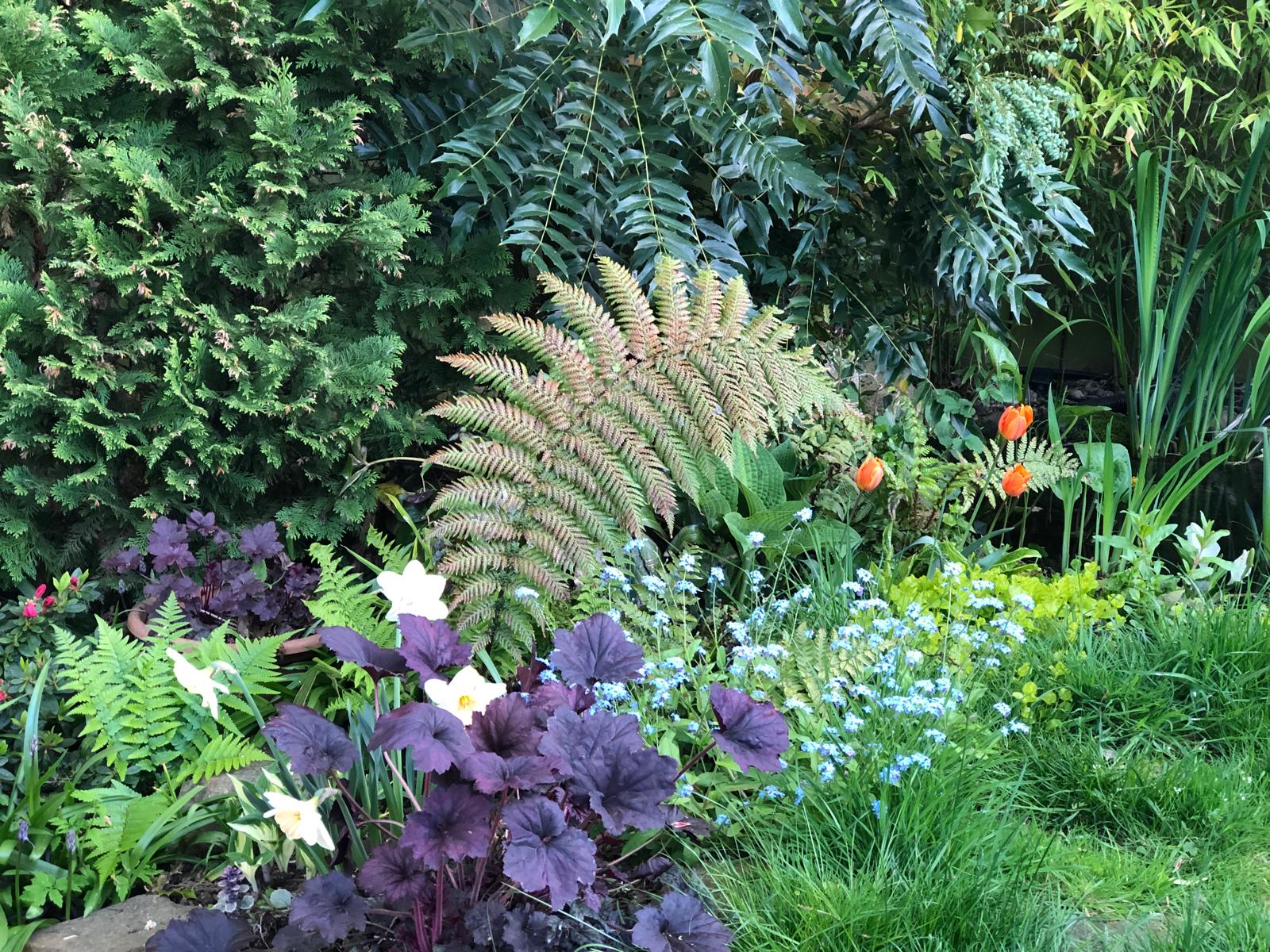
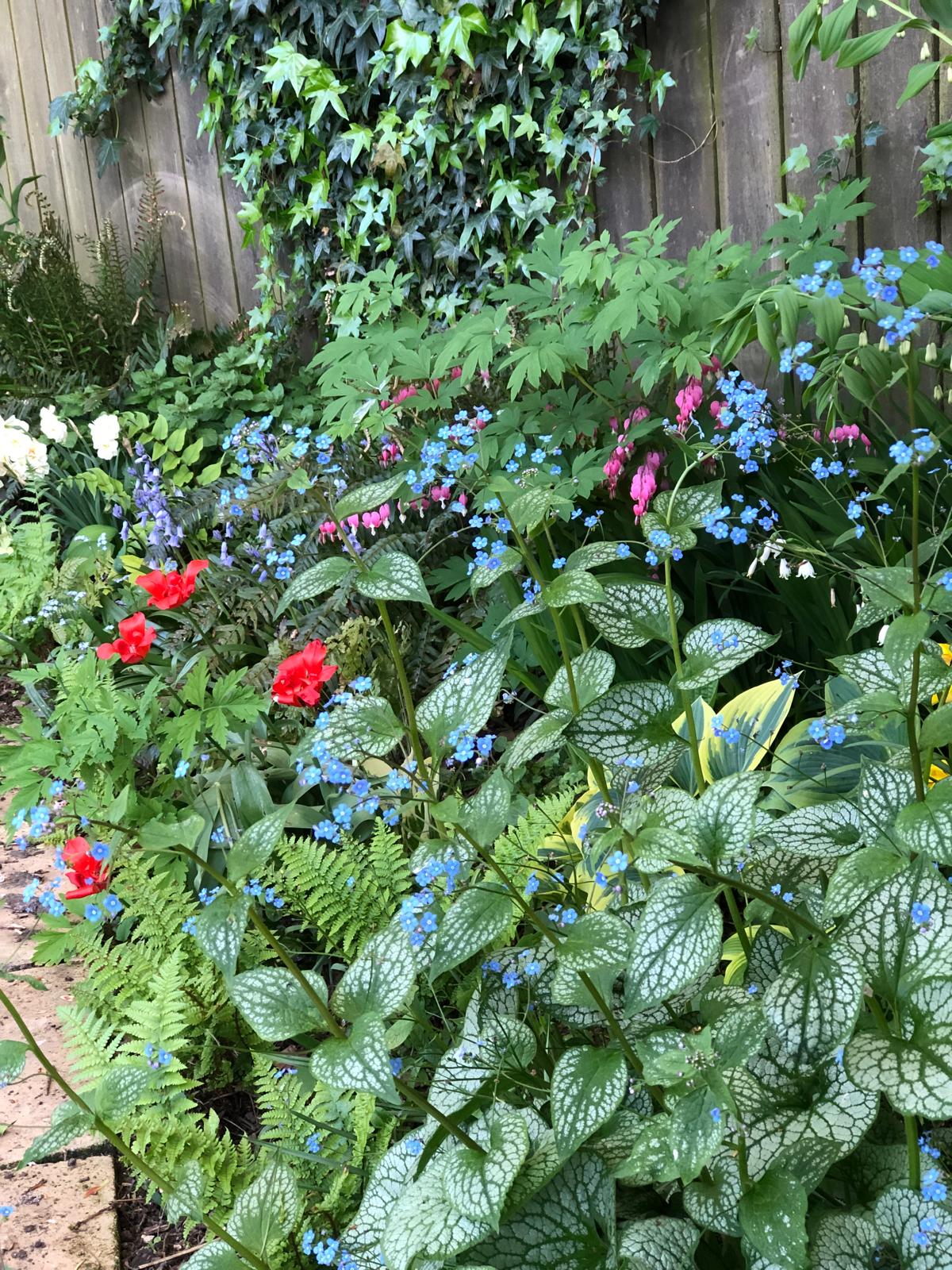
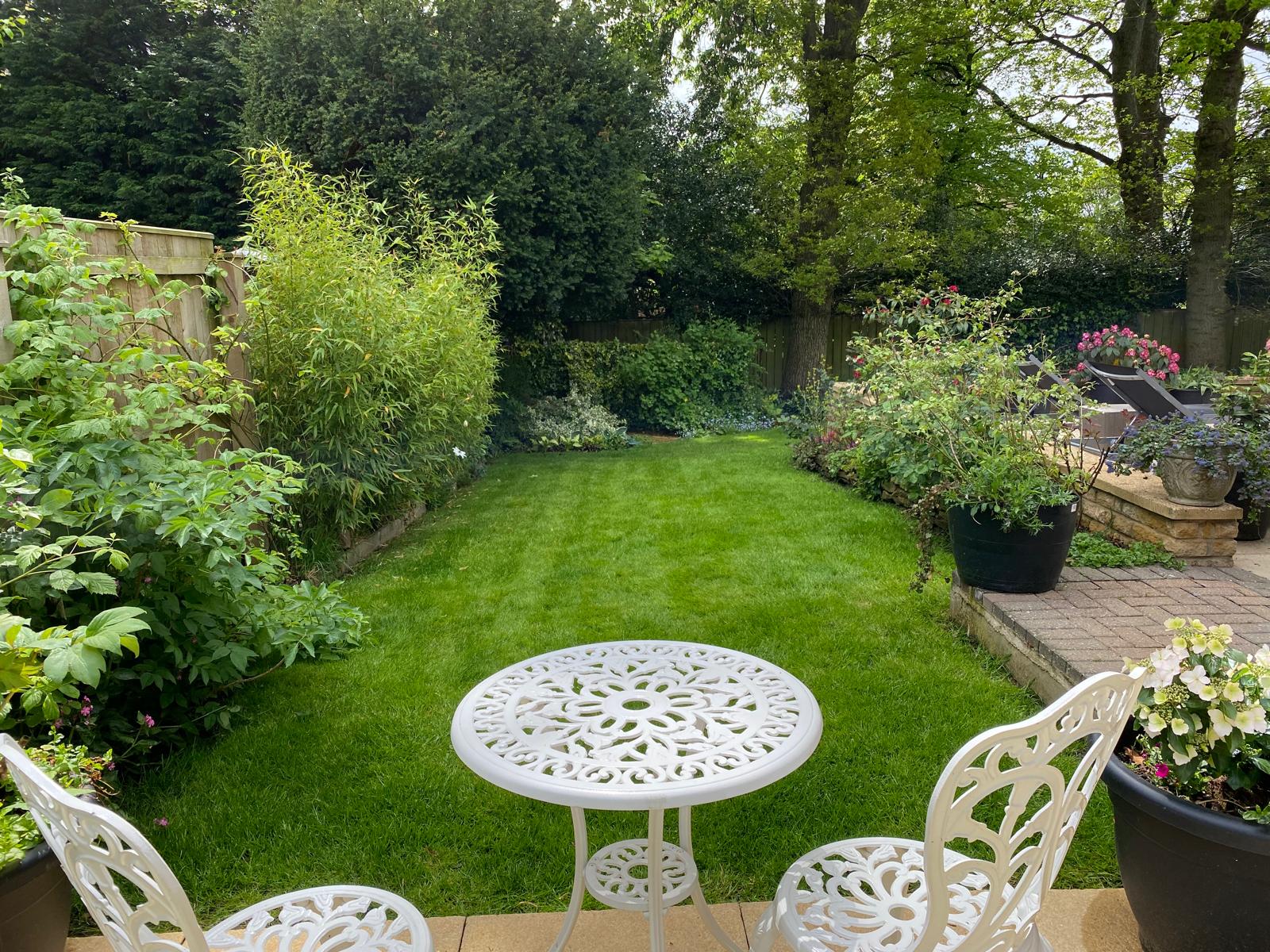
Planting schemes follow principles of layering and succession. Trees and shrubs form the upper canopy, providing height and screening. Mid-level perennials and grasses add seasonal colour and texture. Ground cover plants suppress weeds and tie everything together. Mixing textures, foliage colours, and bloom times ensures the garden never looks static or one-dimensional.
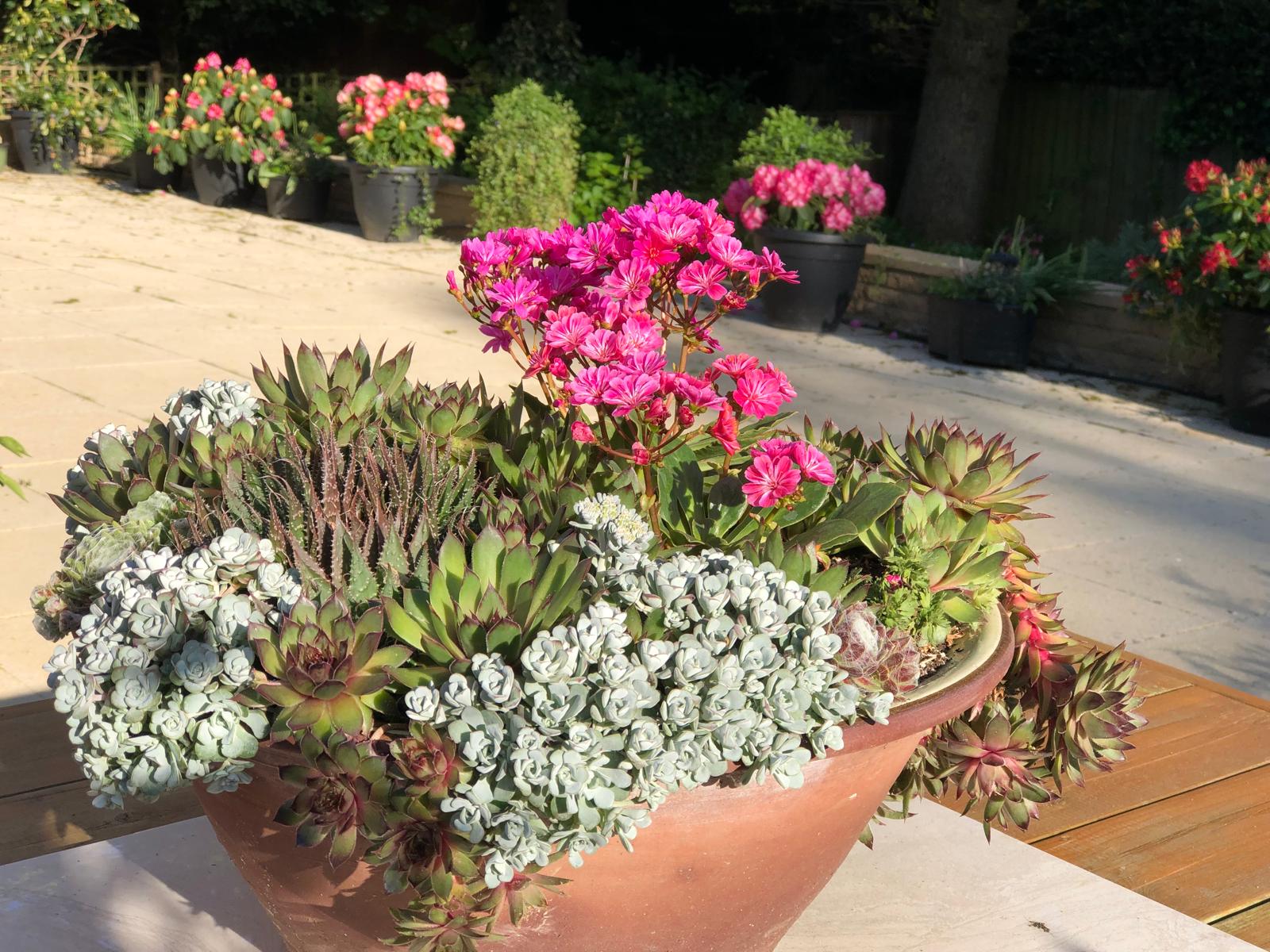
Container planting extends the palette further — succulents, tropicals, and seasonal annuals add focal points and flexibility, allowing experimentation without committing to permanent positions. These can be rearranged, refreshed, or overwintered as needed.
Water Features & Wildlife
Pond Construction
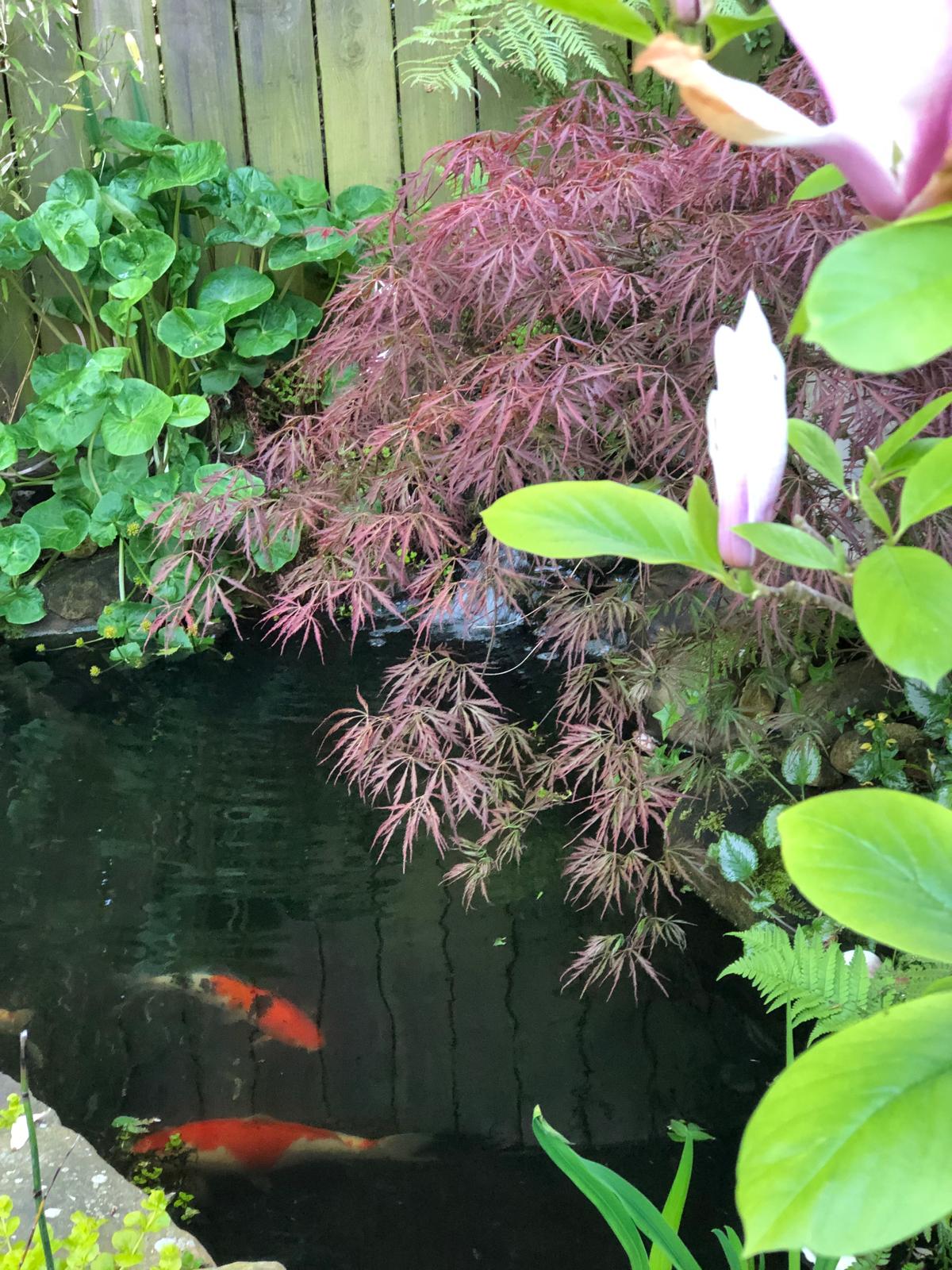
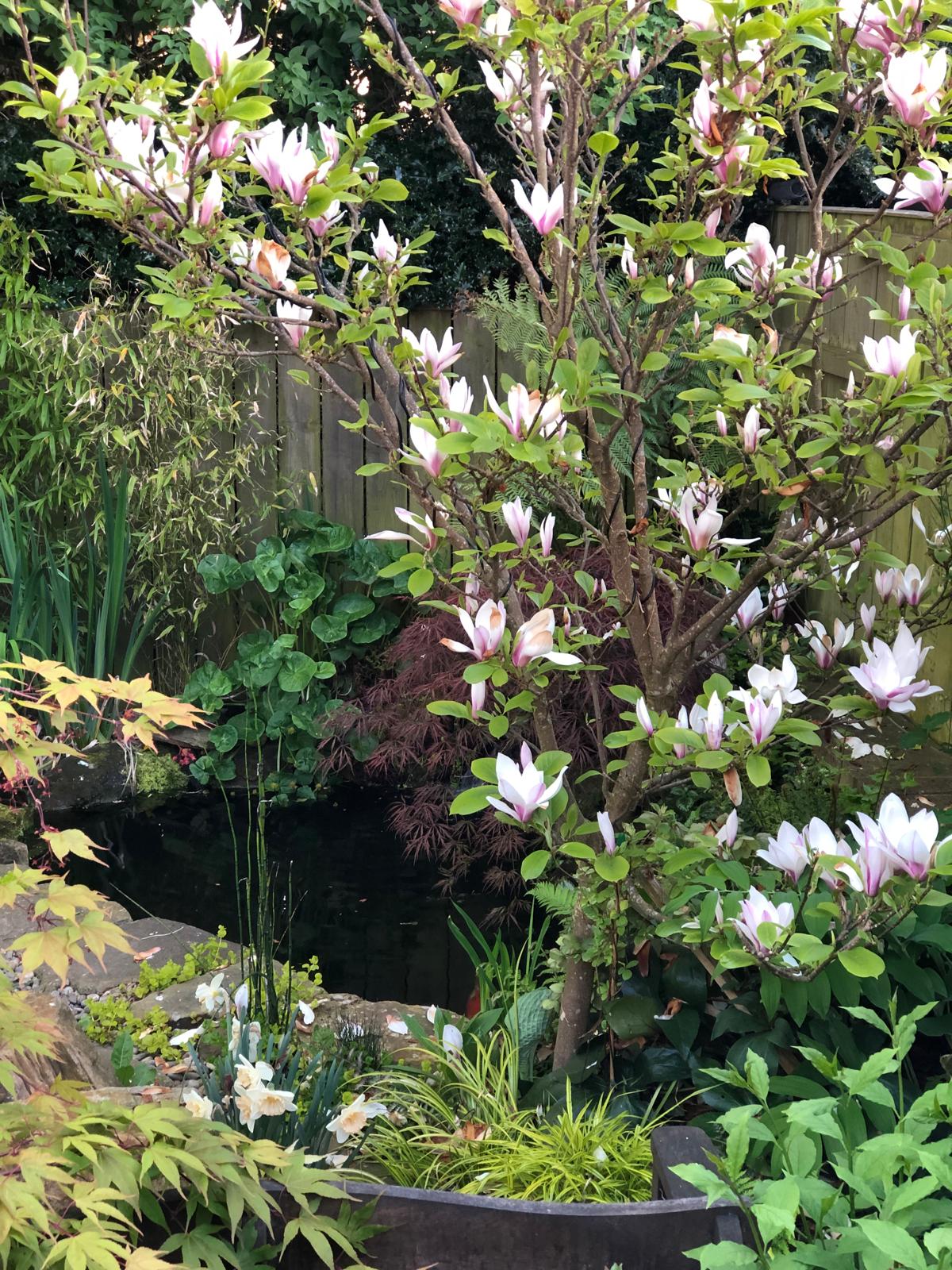
A well-built pond with butyl liner, filtration, and marginal planting attracts dragonflies, frogs, and visiting birds while supporting koi or goldfish.
Water Circulation
Pumps and filters maintain water clarity and oxygenation. Moving water prevents stagnation and adds soothing sound to the garden.
Marginal Plants
Irises, rushes, and water lilies provide shelter for aquatic life while softening pond edges and integrating water features into the broader landscape.
Wildlife Habitat
Dense planting, log piles, and water access create corridors for hedgehogs, bees, and songbirds — turning the garden into a functional ecosystem.
Productive Gardening & Raised Beds
Growing vegetables and herbs brings a different kind of satisfaction — the tangible reward of producing food. Raised beds offer excellent drainage, easier access, and the ability to control soil quality from the start. They're ideal for salads, brassicas, root vegetables, and companion planting schemes that maximise yield and pest resistance.
Crop rotation, composting, and mulching keep the soil fertile and reduce the need for external inputs. Sequential sowing ensures a continuous harvest rather than a glut followed by nothing. Even a modest plot can supply fresh produce from spring through autumn with proper planning and succession planting.
Seasonal Highlights
Spring
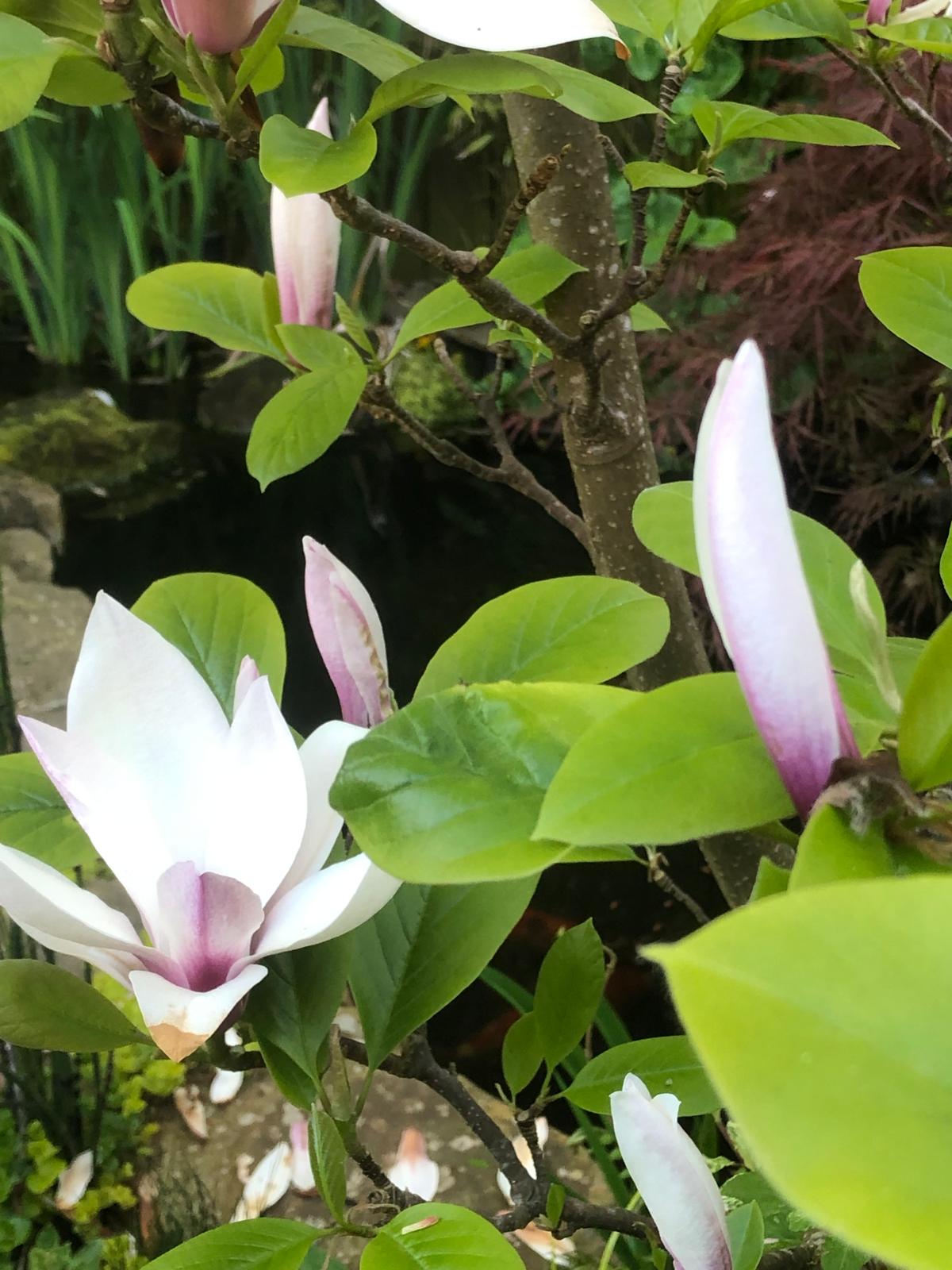
Magnolias, daffodils, tulips, and rhododendrons burst into bloom. Pruning, feeding, and planting out frost-tender seedlings begins in earnest.
Summer
Perennial borders peak with roses, phlox, delphiniums, and grasses. Regular deadheading, watering, and harvesting keep everything productive and tidy.
Autumn
Acers and ornamental grasses take on fiery tones. Bulb planting for next spring, composting fallen leaves, and lifting tender tubers for storage.
Winter
Structural evergreens, bark interest, and winter-flowering shrubs like witch hazel provide visual interest. Planning next year's layout and seed orders begins.
Maintenance & Soil Health
A thriving garden requires regular, thoughtful maintenance. Weeding, mulching, staking, and deadheading are ongoing tasks that prevent small problems from becoming overwhelming. Composting garden waste and kitchen scraps builds fertility naturally, closing the loop and reducing reliance on external inputs.
Soil health is the foundation of everything — testing pH, adding organic matter, and avoiding compaction ensures plants have access to the nutrients they need. Well-structured soil retains moisture during dry spells and drains freely during wet periods, reducing stress on plants and making the garden more resilient to extremes.
The most rewarding gardens are those that evolve with their gardener — adapting to new interests, correcting past mistakes, and continually striving for better results year after year.
Garden Gallery